
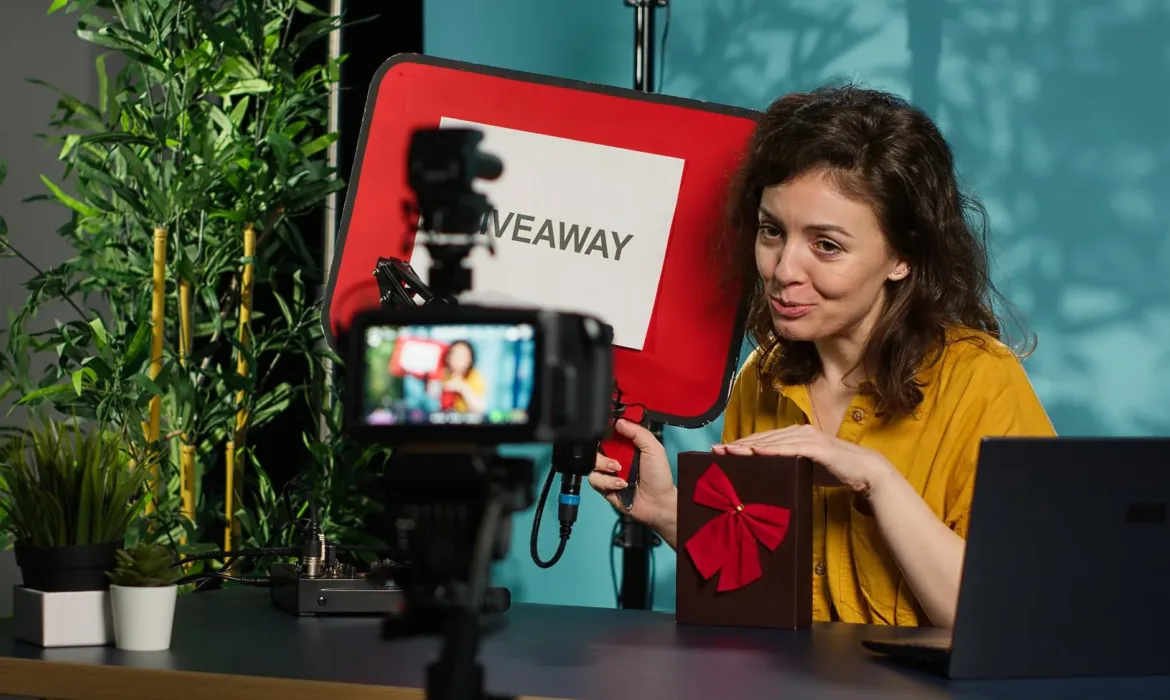
The Evolution of Advertising Services in the Age of Influencer Marketing
Highlights:
- Influencer marketing has moved from a side tactic to a core part of modern advertising services.
- Brands now favour creators with niche, loyal followings over big celebrities with broad reach.
- Trust signals like reviews still beat influencer posts, so smart brands combine both channels.
- Ridge Agency has built campaigns for clients like HAL and the Aeronautical Society of India. The team pairs creator outreach with strong ground-level results.
Advertising services have changed more in five years than in the previous fifty. The shift from print and TV to creators on Instagram, YouTube, and LinkedIn has rewritten how brands reach people. Influencer marketing is no longer an add-on. It now drives discovery, trust, and sales across most categories. Ridge Agency works in India’s education and enterprise space. As one of the best digital marketing agencies in that field, the team has watched this shift play out.
How Did Influencer Marketing Reshape Modern Advertising Services?
The new model pays creators who already own a defined audience. So the question moved from “where do we place this ad” to “who already speaks to our buyer”. Here is what changed in practice:
- Targeting happens through audience fit, not just age and gender.
- Content lives on the creator’s feed and ages well.
- Briefs leave room for the creator’s voice, since copy-paste scripts kill trust.
- Success runs on saves, shares, and conversions, not impressions.
This is why digital and social media marketing budgets have shifted hard towards creators. The change is permanent.
How Ridge Helped HAL Run a Lead Campaign
Ridge Agency ran a Lead Management Campaign for HAL (Hindustan Aeronautics Limited). It also delivered the AeSI 75th Anniversary International Conference cum Exhibition. Both projects paired creator-led content with targeted paid media for a B2B audience. What the team did and what worked:
- Used niche aviation and engineering creators on LinkedIn to seed credibility.
- Paired creator content with sharp landing pages built for lead capture.
- Tracked every lead end-to-end, so the client saw real cost per lead.
- Layered PR and event coverage to extend the campaign past launch week.
The lesson holds across sectors. A well-run influencer push works best inside a full funnel, not as a standalone post. That is where seasoned digital marketing consultants add value.
Do Consumers Actually Trust Influencers in 2026?
This is the question every brand should ask before signing a creator deal. Trust drives conversion. A popular creator with thin trust is a poor bet. The data shows a clear hierarchy. A stronger influencer strategy should include:
- Customer reviews placed close to the product
- Clear before-and-after results
- Real user comments and testimonials
- Creator content that feels honest, not scripted
- Landing pages that back up every claim
- Influencers can still create attention. But reviews create reassurance.
In a 2026 Gen Z study, 72% trusted customer reviews most, while only 55% trusted influencer endorsements. That gap is large. So a smart campaign uses creators to spark discovery, then sends buyers to review-rich pages.
Which Approach Wins: Traditional Ads or Influencer-Led Campaigns?
Brands often ask whether to keep their old ad spend or shift it fully to creators. The truth is more nuanced. The table below lines up both models on the points that decide reach, cost, and trust.
| Factor | Traditional Advertising | Influencer-Led Campaigns |
| Reach style | Broad, often passive | Targeted, active audience |
| Trust level | Lower, ads are skipped | Higher, when the creator fits |
| Cost flex | Fixed media rates | Scales with creator size |
| Content life | Short, expires fast | Long, lives on creator feeds |
| Tracking | Impressions and GRP | Engagement, leads, sales |
Read across the rows, and the right answer is rarely either-or. A balanced plan uses ads for scale and creators for trust at depth. More than 80% of marketers in 2026 said influencer marketing stays effective for brand campaigns and customer engagement. So creators are not replacing ads. They reshape the role ads play.
What About Affiliate Marketing in Digital Marketing Today?
Affiliate links work at the cross point of influencer content and paid ads. They reward creators for actual sales, not just posts. That keeps both sides honest. Still, the model has a clean compliance problem.
A 2026 academic study analysed 2 million YouTube videos. It found that affiliate marketing disclosures remain “low”, with many creators failing FTC compliance standards. A weak disclosure can turn a winning campaign into a legal mess overnight.
- Smart brands now lock in clear rules upfront:
- Every paid post must carry a visible disclosure label.
- Affiliate links go through tracked, branded URLs.
- Creators sign briefs that spell out what claims they can make.
- The brand keeps an audit log of every live link and post.
This is where careful affiliate marketing in digital marketing pays off. It protects the brand and lifts the creator’s credibility, too.
How Should Brands Pick the Right Creator Line-up?
Most brands chase the biggest name they can afford. That is usually a mistake. A smaller creator with high engagement often beats a million-follower star at half the cost. A practical creator brief looks like this:
- Match the creator’s niche to your buyer, not just follower count.
- Check the last ten posts for real comments, not bots.
- Set clear deliverables and rights before money changes hands.
- Run a small pilot first, then scale what works.
Conclusion
Advertising services have become a layered craft. Print, TV, search, social, creators, and affiliates all play a part now, but the centre of gravity has moved towards trust-led, creator-driven work. The brands that win will pick the right creators, track results honestly, and stay compliant. Those who ignore the shift will keep paying for reach that no one trusts. Ridge Agency helps brands make that move with proven case work.
Frequently Asked Questions
Is influencer marketing still worth the spend in 2026?
Yes, when done well. Pick creators who fit your buyer. Then pair their posts with strong landing pages and reviews. Good advertising services bake that into the plan from day one.
How do small brands afford influencer campaigns?
They use micro and nano creators with tight niches. Engagement per rupee is often far higher than a big-name post. The audience also trusts the tip more.
What is the role of affiliate marketing for new brands?
It is a low-risk way to test demand. The brand pays only on real sales, so the budget scales with results. The catch is disclosure compliance, which expert digital marketing consultants can set up cleanly.